Buying guide · 8 min read · 9 August 2026
Best Boat Anchors and Ground Tackle for UK Waters
Best Boat Anchors and Ground Tackle for UK Waters
Anchoring failures are almost never the anchor alone. They are usually too small an anchor, too little chain, or too little scope. UK seabeds vary from soft mud in estuaries to hard sand and weed, so the right choice depends on where you actually anchor.
As an Amazon Associate, I earn from qualifying purchases. This does not affect the price you pay.
What to look for
Match the anchor to the seabed
Plough and scoop anchors (Delta, Rocna, Spade) set well in mud and sand and are the general-purpose choice for UK coastal work. Fluke anchors (Danforth type) hold very well in sand and mud for their weight and stow flat, but struggle in weed and rock. Grapnels are for small craft and rocky ground. Weed is the hardest test for any anchor.
Size up
Manufacturers size for moderate conditions. Most experienced cruisers go one size above the recommendation for their boat length, because the anchor you regret is always the small one. Weight is what gets the anchor down and helps it set.
Chain matters as much as the anchor
Chain weight keeps the pull on the anchor horizontal, which is what makes it dig in rather than pull out. An all-chain rode is ideal; a chain leader of at least several metres with rope behind it is the common compromise on smaller boats.
Scope
Aim for at least 4:1 scope with all chain, and 5:1 to 7:1 with rope rode, measured from the bow roller to the seabed including tidal range. Insufficient scope is the most common reason anchors drag in UK tidal waters.
Windlass and handling
If you anchor often, a windlass changes the experience entirely. Check any anchor you buy actually fits your bow roller and self-launches cleanly, since a fine anchor that fouls the stem is a nuisance.
Options worth considering
Listed alphabetically by suitability rather than ranked. We research specifications and reputation; we have not tested these ourselves.
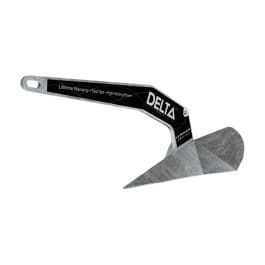
1.Lewmar Delta (galvanised)
General-purpose UK coastal anchoringA plough-type anchor that sets reliably in mud and sand and self-launches well from most bow rollers.
- ✓Good all-round holding in common UK seabeds
- ✓Self-launching from a bow roller
- ✓Widely used and readily available
2.Rocna
Strong setting and holdingA modern scoop anchor with a reputation for setting quickly and holding well, including in less ideal ground.
- ✓Sets fast and resets well after a wind shift
- ✓Roll bar helps it orient correctly
- ✓Premium price
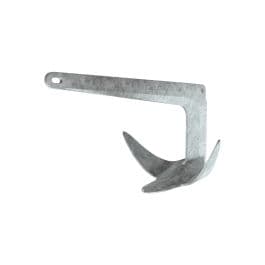
3.Lewmar Claw (Bruce type)
Rock and mixed groundA claw-pattern anchor that copes reasonably with mixed and rocky ground and resets easily.
- ✓Handles mixed ground well
- ✓Resets readily with tide changes
- ✓Lower holding power per kilo than modern scoops
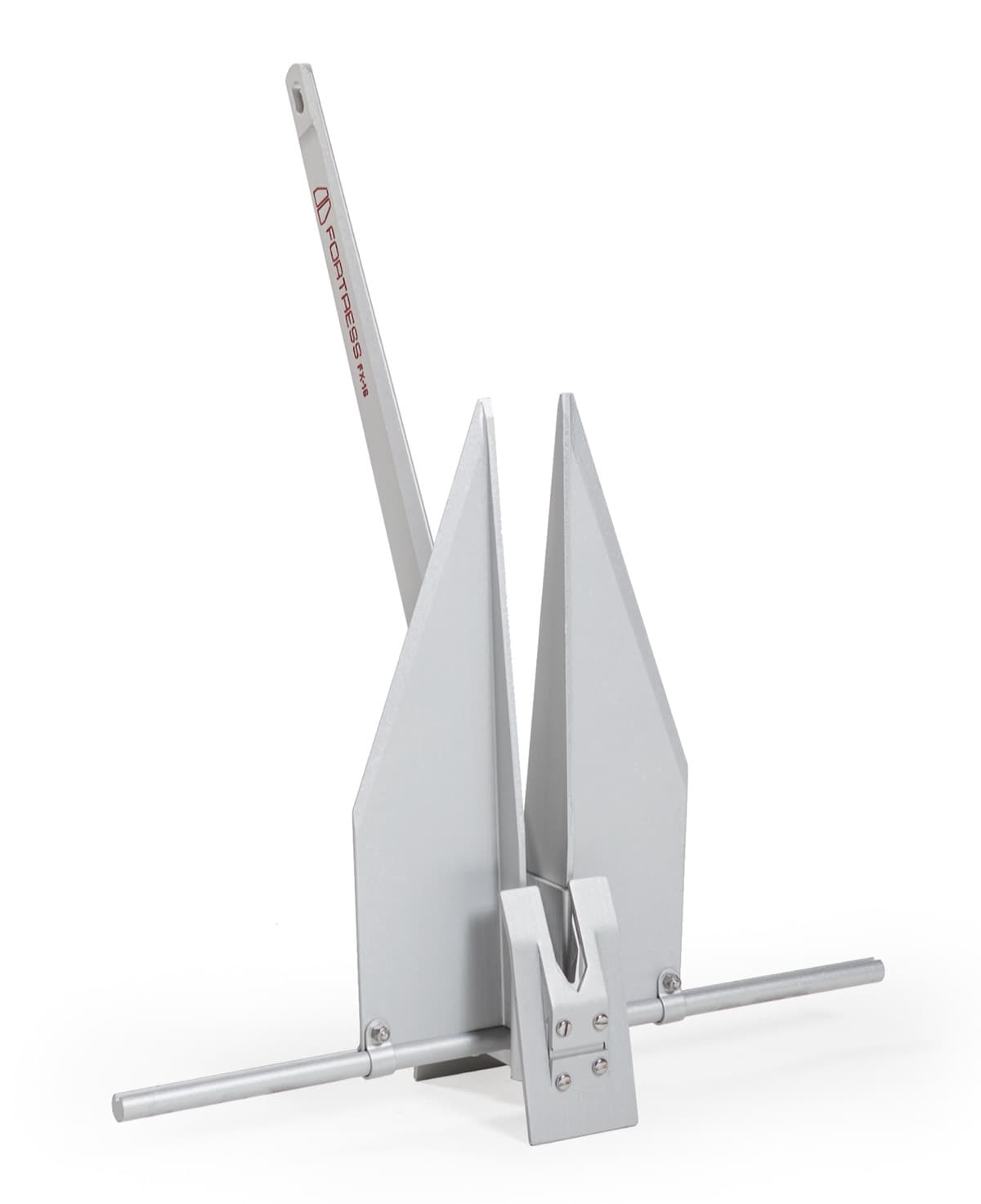
4.Fortress Danforth / fluke anchor
Kedge and small boatsHigh holding power for the weight in sand and mud, and stows flat, which makes it an excellent kedge or small-boat anchor.
- ✓Excellent holding in sand and mud for its weight
- ✓Stows flat in a locker
- ✓Poor in weed and rock
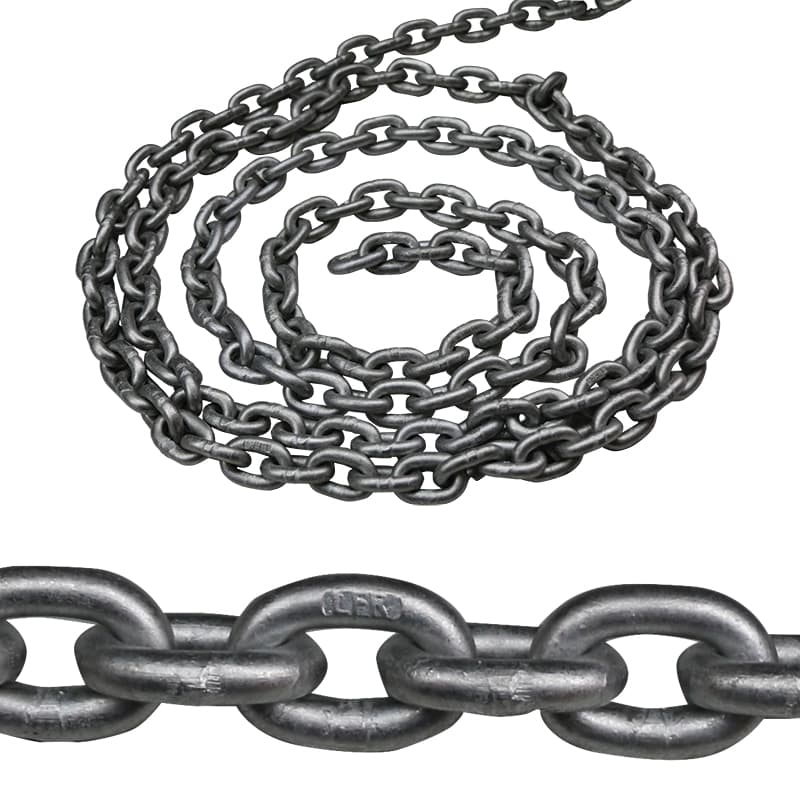
5.Lofrans 8mm galvanised chain
The half people skimp onCalibrated galvanised chain and quality rode do as much for holding as the anchor itself.
- ✓Chain weight keeps the pull horizontal
- ✓Calibrated chain needed for a windlass gypsy
- ✓Add a snubber to absorb shock loads
In short
Buy one size up, carry more chain than feels necessary, and veer plenty of scope. A second, different-pattern anchor as a kedge is a sensible addition for anywhere with variable ground.
Frequently asked questions
What size anchor do I need for my boat?+
Start from the manufacturer sizing chart for your boat length and displacement, then go one size larger. Charts assume moderate conditions, and the extra weight helps the anchor set and hold when it matters.
How much chain should I have?+
All-chain is ideal because the weight keeps the pull horizontal so the anchor digs in. If you use rope, fit a chain leader of at least several metres. As a rule of thumb, aim for at least 4:1 scope with all chain and 5:1 to 7:1 with rope, measured from bow roller to seabed including the tide.
Which anchor is best for UK waters?+
For general coastal use in mud and sand, a plough or scoop type such as a Delta or Rocna is the usual choice. Fluke anchors hold very well in sand and mud for their weight but struggle in weed. Many boats carry a second anchor of a different pattern as a kedge.
Why does my anchor drag?+
Most often insufficient scope, insufficient chain, or an anchor that never properly set in the first place. Weed is another common culprit, since it can prevent the anchor reaching the seabed underneath. Always check the set by gently going astern before trusting it.
Buying or selling a boat?
Marine equipment is free to list on The Boat Shop, and there is never any commission.